The most common hair loss causes include genetics, hormonal imbalance, nutritional deficiencies, stress, and certain medical conditions that affect the hair growth cycle.
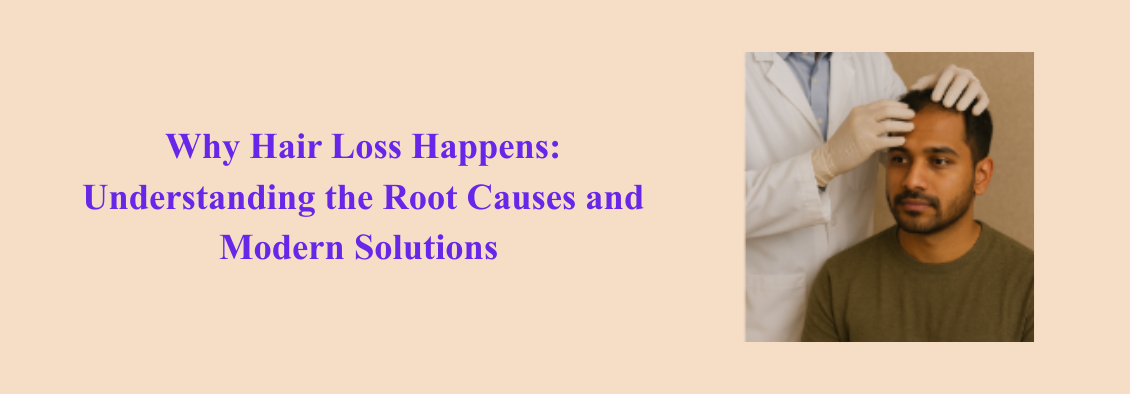
Why Hair Loss Happens: Understanding the Root Causes and Modern Solutions
Hair loss is one of the most common concerns affecting both men and women today. While losing 50–100 strands of hair per day is considered normal, excessive hair fall can signal an underlying issue that requires attention. Understanding why hair loss happens can help individuals take the right steps toward prevention and effective treatment.
Many people search for answers when they begin to notice thinning hair, receding hairlines, or increased shedding during washing or combing. Exploring the hair loss causes and identifying the right treatment options can significantly improve long-term hair health and confidence.
This guide explains the reasons for hair loss, highlights the most common triggers, and introduces modern treatment approaches that help restore hair growth.
What Is Hair Loss?
Hair loss refers to excessive shedding or thinning of hair from the scalp or body. While it can occur due to natural aging, several medical, hormonal, and lifestyle factors may also contribute to it.
When hair growth cycles are disrupted, the hair follicles may enter the resting phase prematurely, leading to noticeable thinning and patchy hair loss.
Common symptoms include:
- Gradual thinning on the scalp
- Receding hairline
- Excessive hair shedding during brushing
- Patchy bald spots
- Weak or brittle hair strands
Understanding the underlying reasons for hair loss is essential for choosing the most suitable treatment approach.
The Hair Growth Cycle Explained
To understand the hair loss causes, it’s important to first know how the hair growth cycle works.
| Stage | Description | Duration |
|---|---|---|
| Anagen Phase | Active hair growth stage where follicles produce new hair. | 2–7 years |
| Catagen Phase | Transitional phase where hair stops growing. | 2–3 weeks |
| Telogen Phase | Resting phase where hair eventually sheds. | 2–4 months |
Hair loss often occurs when too many follicles enter the telogen phase at the same time.
Common Hair Loss Causes
Several factors can contribute to hair thinning or baldness. Below are some of the most frequent hair loss causes seen in both men and women.
1. Genetics
Genetics is one of the most common reasons for hair loss, particularly in conditions such as androgenetic alopecia.
Features include:
- Receding hairline in men
- Thinning at the crown
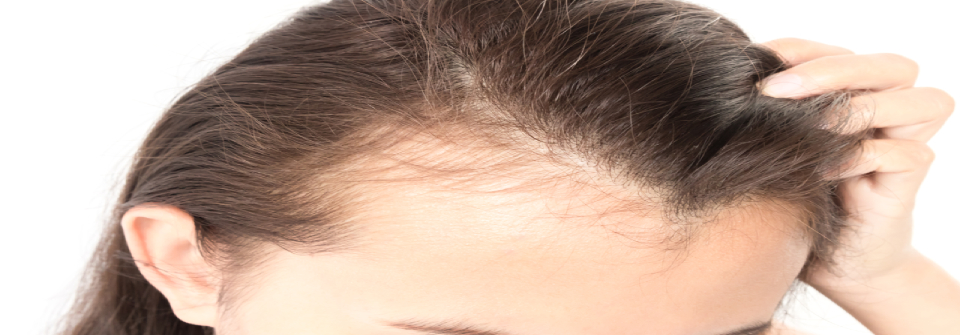
- Gradual hair thinning in women
This type of hair loss typically progresses with age and may require medical or surgical treatments for restoration.
2. Hormonal Imbalance
Hormonal hair loss is another major factor that can affect hair growth cycles. Hormones influence the functioning of hair follicles, and any imbalance can trigger shedding.
Hormonal triggers may include:
- Thyroid disorders
- Pregnancy and postpartum changes
- Polycystic ovary syndrome (PCOS)
- Menopause
- Excess dihydrotestosterone (DHT)
When hormonal changes occur, individuals often ask, why am I losing hair suddenly? Identifying the hormonal imbalance through medical evaluation can help manage this condition effectively.
3. Nutritional Deficiencies
Hair requires essential nutrients to grow and remain strong. Lack of key vitamins and minerals can weaken follicles and cause excessive hair fall.
Important nutrients for healthy hair include:
- Iron
- Vitamin D
- Biotin
- Zinc
- Protein
Poor diet, crash dieting, or digestive disorders may lead to these deficiencies and contribute to the common causes of hair fall.
4. Stress and Lifestyle Factors
Physical and emotional stress can significantly disrupt the hair growth cycle. This condition, known as telogen effluvium, leads to temporary shedding.
Lifestyle factors that may trigger hair loss include:
- Chronic stress
- Lack of sleep
- Smoking
- Poor scalp care
- Excessive heat styling
Reducing stress levels and maintaining a balanced lifestyle can help restore normal hair growth.
5. Medical Conditions
Certain health conditions may also cause hair loss.
Examples include:
- Autoimmune disorders such as alopecia areata
- Thyroid disease
- Scalp infections
- Severe illnesses or surgeries
These medical conditions should be diagnosed by a healthcare professional to determine appropriate treatment options.
Identifying the Root Cause of Hair Loss
Proper diagnosis is essential before starting any hair loss treatment. Specialists typically evaluate multiple factors before recommending a treatment plan.
Diagnostic Methods
Doctors may use:
- Scalp examination
- Blood tests
- Hair pull test
- Dermatoscopy
- Medical history review
These evaluations help determine whether hair loss is caused by genetics, hormones, lifestyle, or underlying health conditions.
Modern Hair Loss Solutions
Advancements in medical science have introduced several modern hair loss solutions that help restore hair growth and improve scalp health.
Non-Surgical Treatments
These treatments are often recommended for early-stage hair loss.
Common options include:
- PRP (Platelet-Rich Plasma) therapy
- Medications to stimulate hair growth
- Scalp treatments and serums
- Nutritional supplementation
These therapies help strengthen existing follicles and reduce hair fall.
Surgical Hair Restoration
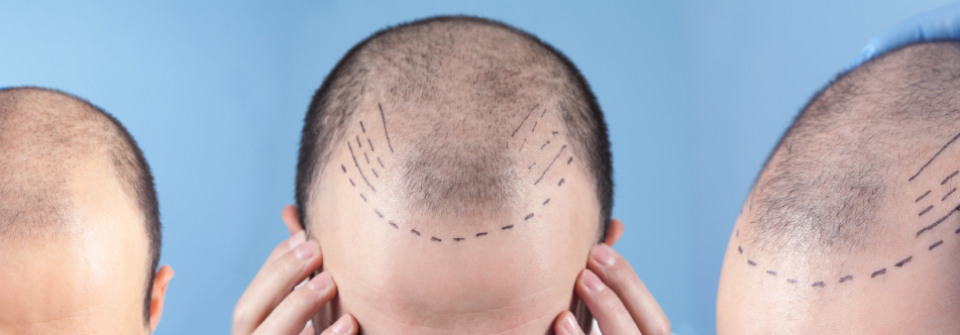
For advanced hair loss or baldness, hair transplant procedures may provide long-lasting results.
Hair transplantation involves transferring healthy follicles from a donor area (usually the back of the scalp) to thinning or bald areas.
Popular Hair Transplant Techniques
| Technique | Description |
|---|---|
| FUE (Follicular Unit Extraction) | Individual follicles are extracted and transplanted. |
| FUT (Follicular Unit Transplantation) | A strip of scalp is removed and divided into grafts. |
| Bio-FUE / Micro FUE | Advanced techniques with improved precision and recovery time. |
Patients often consider factors such as surgeon expertise, technology used, and recovery time when choosing a procedure.
For individuals exploring surgical options, understanding the hair grafting cost in bangalore can also help them plan their treatment and choose a clinic that offers advanced procedures with experienced specialists.
Signs You Should Seek Professional Help
Hair fall can sometimes resolve on its own, but persistent or severe hair loss requires expert consultation.
You should consider seeking treatment if you notice:
- Sudden excessive hair shedding
- Visible scalp through thinning hair
- Receding hairline
- Bald patches
- Hair loss lasting longer than six months
Early diagnosis allows doctors to recommend the most effective hair loss treatment and prevent further progression.
Preventive Tips to Reduce Hair Loss
While not all types of hair loss can be prevented, healthy habits can significantly improve hair health.
Hair Care Tips
- Use mild shampoos and conditioners
- Avoid excessive heat styling
- Massage the scalp regularly
- Avoid tight hairstyles
Lifestyle Improvements
- Maintain a balanced diet rich in protein and vitamins
- Manage stress through exercise or meditation
- Get adequate sleep
- Stay hydrated
Adopting these habits can reduce the common causes of hair fall related to lifestyle and environmental factors.
Quick Summary of Hair Loss Causes
| Cause | Impact on Hair |
|---|---|
| Genetics | Progressive thinning and baldness |
| Hormonal imbalance | Disrupted hair growth cycle |
| Nutritional deficiencies | Weak and brittle hair |
| Stress | Temporary shedding |
| Medical conditions | Patchy or sudden hair loss |
Recognizing these hair loss causes early can help individuals take proactive steps toward treatment.
Final Thoughts
Hair loss is a complex condition influenced by genetics, hormones, lifestyle, and health factors. While noticing hair thinning can be concerning, understanding the reasons for hair loss helps individuals make informed decisions about treatment.
Modern medical advancements now offer several modern hair loss solutions, ranging from non-surgical therapies to advanced hair transplantation techniques. With proper diagnosis and timely intervention, it is possible to manage hair loss effectively and restore healthy hair growth.
If you are experiencing persistent hair fall or wondering why am I losing hair, consulting a qualified hair restoration specialist can help identify the root cause and recommend the most suitable hair loss treatment tailored to your needs.
FAQs
1. What are the most common hair loss causes?
2. Why am I losing hair suddenly?
If you’re wondering why am I losing hair, sudden hair fall may be triggered by stress, illness, hormonal changes, or deficiencies in nutrients such as iron and vitamin D.
3. Can hormonal hair loss be treated?
Yes, hormonal hair loss can often be managed with medications, lifestyle changes, and medical treatments that help restore hormonal balance and support hair regrowth.
4. What are the modern hair loss solutions available today?
Some effective modern hair loss solutions include PRP therapy, medications, scalp treatments, and advanced hair transplant techniques such as FUE and Bio-FUE.
5. When should I consider hair loss treatment?
You should consider hair loss treatment if you notice excessive shedding, thinning hair, or a receding hairline that continues for several months despite proper hair care.
About the Author

Dr. Harish B (B.D.S, F.A.M, F.H.T, MBA-HM)
Dr. Harish B is a dedicated Aesthetic Physician and Cosmetologist with over a decade of experience in advanced skin, face, body, hair, and laser treatments. Recognised as one of Bangalore’s leading aesthetic experts, he has trained dermatologists and plastic surgeons across India in Botox and dermal filler techniques for a top global manufacturer.
His expertise is internationally recognised, having attended the prestigious AMWC Conference in Monte Carlo and completed advanced training programs in Singapore and Dubai. Known as a Celebrity Aesthetic Physician, Dr. Harish has worked with numerous South Indian film personalities while maintaining a patient-first approach that blends artistry with medical precision.
Dr. Harish holds fellowships in aesthetics and hair transplantation and has trained under renowned dermatologists and celebrity plastic surgeons. At Livglam, he is committed to delivering safe, effective, and personalised treatments while ensuring every patient’s journey is smooth, comfortable, and results-driven.
Recent Blogs








Book your slot to know things about laser treatment!
Just a click away to experience high quality aesthetic treatments.
